Indigenous Activists Aren't Happy With Avatar: The Way Of Water

For the longest time, we wondered if the much-talked-about sequels to the epic sci-fi film 'Avatar' would ever come. When James Cameron first announced plans for more films in 2010, the first follow-up was expected to come sometime around 2014. However, that year came and went, and there was still no sign of a sequel. Thankfully, fans of the original film finally had their prayers answered in 2022 when 'Avatar: The Way of Water' hit screens in December.
Unfortunately, while this might have been one of the most anticipated movies in all of cinematic history, not everyone is a fan of the long-awaited sequel. There's at least one group of people who certainly won't be binge-watching this film until the next one comes out. It seems that Indigenous activists aren't happy with 'Avatar: The Way of Water,' and they're making their feelings about the new movie very clear.
The original Avatar movie was criticized for its white savior storyline
If you've ever felt like 'Avatar' bears some resemblance to American history, there's a good reason for that. James Cameron has previously claimed that the 2009 movie was a sci-fi "retelling of the history of North and South America in the early colonial period." While that might add some real-life depth to the film, it doesn't necessarily give it the best reputation. Activists have previously criticized the movie for its white savior storyline, which sees Sam Worthington's character step in to save the Na'vi from the humans. Considering this criticism, you can imagine that people were eager to see whether Cameron would fix or continue the problems in the sequel. Unfortunately, it seems that activists feel he's done the latter.

Avatar: The Way of Water romanticizes colonization, according to some Indigenous people
Supposedly, Cameron was eager to take the comments about the white savior storyline onboard and do better with the sequel. He commented that those "who have been victimized historically" are right and that he's not in a position to say otherwise because of his "white privilege." However, while his intentions might have allegedly been good, the new movie has been accused of "upfront and apparent romanticization of colonization." That remark comes from Cheney Poole, a Maori who spoke with the Washington Post about 'Avatar: The Way of Water.' Autumn Asher BlackDeer, who also spoke with the publication, says that the movie featured a monolithic portrayal of Indigenous people. So, any attempt by Cameron to supposedly do better evidently hasn't paid off.
Activists are reportedly fed up with Indigenous stories told from a white perspective
Given how long it took for the sequel to come out, people may have expected the team behind 'Avatar' to fix any of the problems with the first film. However, it seems they may have missed the mark. While they might have felt they were doing better by creating their "own Indigenous cultures" - as Cameron told Unilad - it seems they didn't appreciate the root of the problem. That problem being that Indigenous stories are often best told by those who have lived them. Autumn Asher BlackDeer is heavily in support of this, stating that they're "tired" of Hollywood making movies about Indigenous stories "from a white perspective." While James Cameron is a highly talented director, activists feel his perspective is too limited without significant Indigenous input.
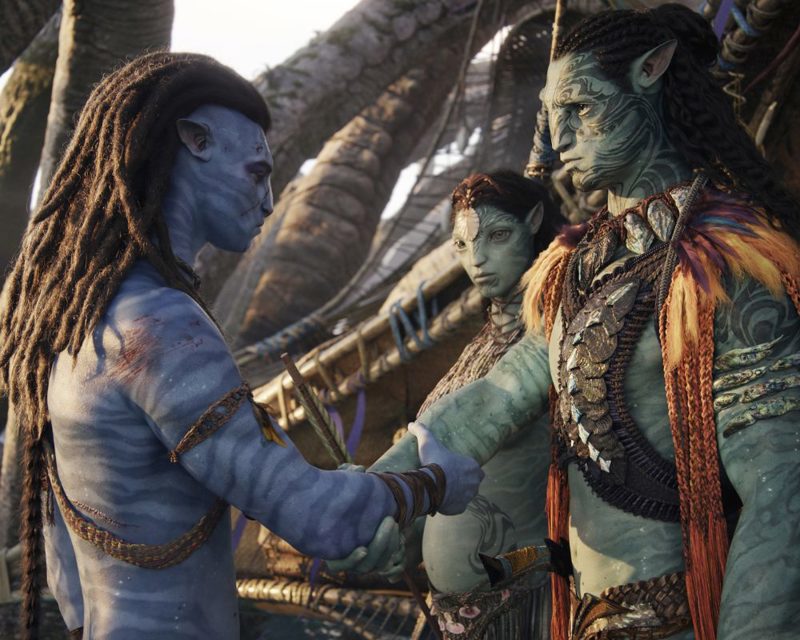
Activists have demanded more Indigenous input in the future films
Much like the original film, 'Avatar: The Way of Water' has performed well at the box office, already pulling in billions of dollars. It's received dozens of award nominations and has plenty excited to see what the next sequel - reported to hit screens in 2024 - will bring. However, that success hasn't deterred Indigenous activists, some of whom are calling for a boycott of the new movie. Others are hopeful that the continued criticism of the franchise will inspire more positive change with future sequels. They've written an open letter to James Cameron, criticizing the casting of primarily white actors for the Na'vi and telling him to hire Indigenous people as writers, consultants, talent, and more. They've told him he's a "guest to our lands and culture" and to start acting like it.
The unfortunate reality is that the Avatar franchise seems to be such a success that neither Cameron nor anyone else on his team needs to bend to these Indigenous activists. Hopefully, the director was serious when he talked in the past about wanting to do better with these films. If so, Cameron may well take them up on their demands for more Indigenous involvement with the future sequels. Otherwise, these issues will likely persist.
You May Also Like
 Society
Stories of Choosing a Different Kind of Success
 Careers
The Unexpected Joy of Career Reinvention
 Society
How People Found Community After Moving Abroad