The Things Police Officers Look For At A Crime Scene

For most people, we will never find ourselves in the middle of a crime scene. While they are often dramatized for TV, there is a true chaotic feeling that can emanate from them and really have us wondering how anyone keeps on top of it all. Of course, crime scenes are always left to the professionals.
It all starts with a careful examination of every aspect of things, but what are the things police officers look for at a crime scene? It’s much more than the obvious. There’s no room to leave any stone unturned when it comes to examining a crime scene, but there’s a lot more that goes into it than meets the eye.
The first step is scene recognition and looking for any bodies
The first things police officers look for at a crime scene are the boundaries. What is the crime scene, and what isn’t? Investigators need to learn the core of the scene and block access to the surrounding area to preserve any evidence they need to find and think about the path they will take through the scene to gather as much evidence as they need. With all of that in place, they will need the paperwork to contact a judge to issue a search warrant if necessary. Once that’s complete, it’s time to look for any human remains. If they have been there for a long time, a professional may be needed to determine whether the remains are human. Finding remains can also point to more clues, such as signs of a struggle or if the person was moved.
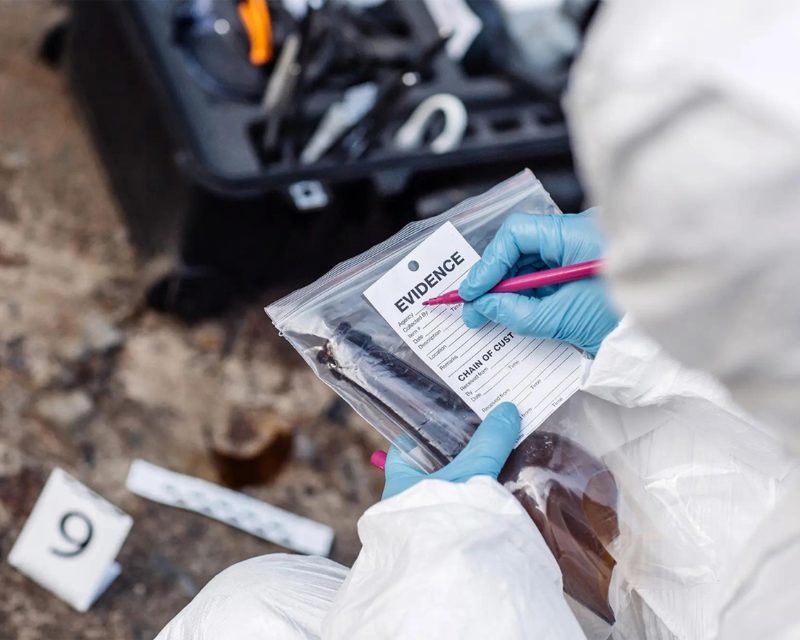
Ballistic and DNA evidence needs to be carefully documented and collected
If weapons have been used, there could be ballistic evidence at the crime scene, and this can be vital when it comes to catching a criminal. This includes any cases or bullets that could be lodged at the scene or have been dropped, which can help to identify the caliber, gauge, and manufacturer of the weapon. Any residue left behind can also indicate how close someone was to the weapon when it was fired or if they fired it themselves. From there, it’s on to collecting DNA. Any bodily fluids, blood, teeth, hair, or anything else can help link people to the crime or help identify the victim.
Fingerprints and human behavior can help to paint more of a picture
Finger or palm prints come when a person makes contact with soft or hard surfaces. While they can be visible, this sometimes requires special equipment and testing to lift prints and identify who has been at the scene of the crime. Oftentimes, this involves dusting and photographing evidence to help build a case. While experts are collecting this evidence, some police officers know how to look for human behavior, such as visual clues as to what has happened at the crime and trying to link the scene to any other active or prior investigations to see if they have a repeat offender.
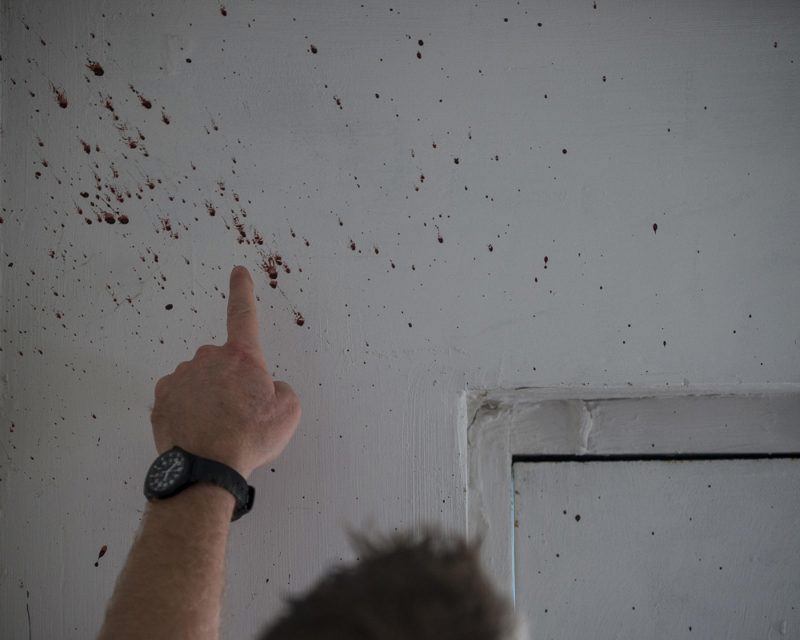
Blood patterns and evidence of narcotics can be tougher to see
Blood at a crime scene doesn’t necessarily tell the entire story. Where are the blood spatters? Does that indicate the angle of the crime? Does it show that someone was injured and moved around the crime scene? All of this needs to be collected and preserved to help build the case. Police officers also need to look for evidence of narcotics use, but this could be harder to see. If it’s in someone’s system, this should be picked up at the autopsy, but sometimes, there are physical clues.
Tracks and any hair fibers could lead to finding a suspect faster
One of the main reasons police officers need to preserve a crime scene is to keep any tracks as complete as possible. These often come in three types: visible prints (such as shoe prints), plastic prints (such as a tire print on a soft surface like mud), and latent prints (such as fingerprints that need lights or powders to be seen). This can quickly whittle down the list of suspects and make catching them a lot easier, as well as help officers place someone at the scene of the crime. While looking for tracks, officers will also be searching for any hairs or fibers that have been left behind to help identify the criminal.
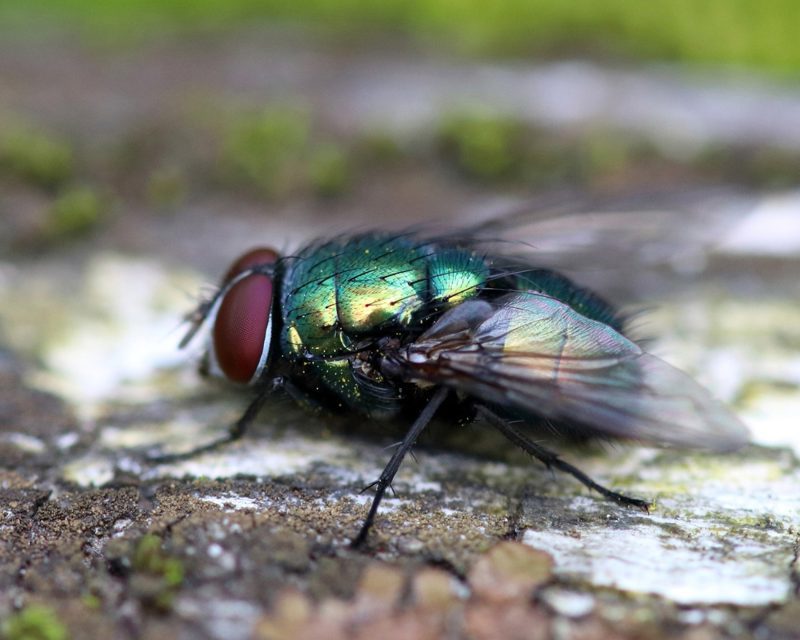
Insect activity is one of the more challenging aspects of crime scenes to analyze
One thing people often overlook at crime scenes is insect activity, which can be surprisingly helpful. When someone loses their life, their bodies will start to decompose, and looking at how many insects are in an area. If there is evidence of insect eggs and how much they have affected someone’s decomposition, it can all help to indicate how long someone has been there before they were found.
The things police officers look for at a crime scene really show how much of a keen eye they have to have when uncovering the truth and bringing people to justice. After all, missing one piece of evidence could really change the entire case.
You May Also Like
 Society
Stories of Choosing a Different Kind of Success
 Careers
The Unexpected Joy of Career Reinvention
 Society
How People Found Community After Moving Abroad