How Did They Celebrate Christmas In The Middle Ages?

Sometimes, traditions have been around for so long that it can feel as though they’ve always been a part of our lives. While that might be largely true for the modern world, what about way back in the day? No, we’re not talking about a few generations ago - we mean a long, long time ago.
That’s right; we need to take a big step back in time to the Middle Ages to find out what life was really like when it came to the holiday season. How did they celebrate Christmas in the Middle Ages? Perhaps not as different from the modern holiday season as you might think.
The Feast of Fools, hoggling, and mumming were all Christmas celebrations
Christmas in the Middle Ages took a lot of inspiration from the pagan customs that came from the Winter Solstice. That’s how things like the Feast of Fools, hoggling, and mumming were all a part of the big day. The Feast of Fools was a huge 12-day festival that started on January 1, and deacons, priests, and other officials from the church would get a brief license to be as silly as they wanted. In return, commoners were in charge of giving sermons, and things could often get pretty out of control. Then there’s hoggling. This was mostly done by royalty, who would see people wear cooked animal heads as they paraded through the feast hall and sang special songs, but this was later replaced by a wooden boar’s head. Finally, there was mumming. Simply put, this would see mummers dress up as women or wear animal masks as they headed door-to-door, singing festive songs and telling jokes throughout Christmas. While some did it for the fun of it, others would expect small gifts or coins in return for the Middle Ages entertainment.
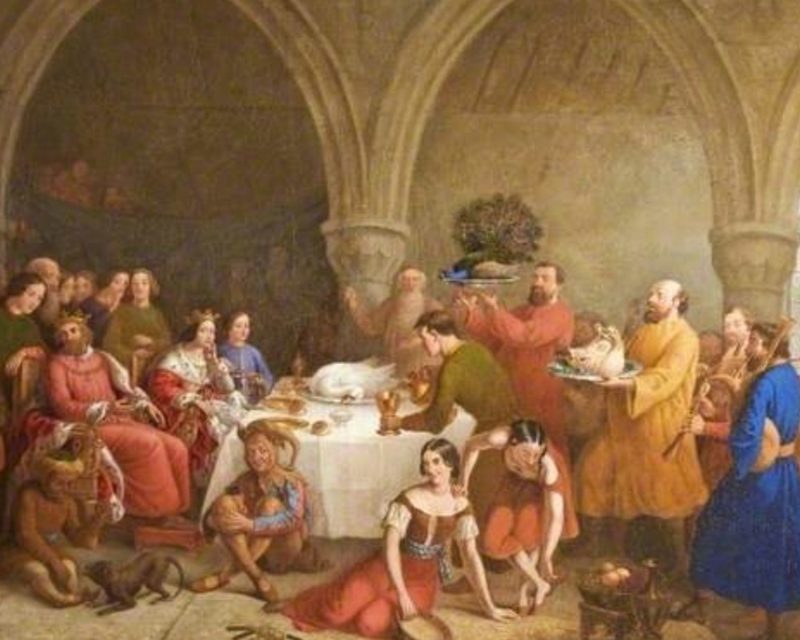
Enjoying a feast at Christmas is nothing new
Eating far too much is nothing new for Christmas, but did you know it goes all the way back to the Middle Ages? A Christmas mass started before dawn and signaled the official end of Advent and the beginning of a feasting season that ran from December 25 to January 5. Someone’s social status would dictate what kind of feast they would throw, but most relied on a pig that had its life ended in November so it could be smoked and salted for weeks in the build-up to the feast. In the countryside, lords of the manor were expected to give their resident farmers 12 days off of labor and provide them with a good meal, often made up of black pudding, sausages, pasties, fish, roast meat, fowl, sweetmeats, nuts, tarts, and custards. Then there were the Royals. These were the ones to go all out on their feasts, with King Henry III once ordering boar meat, heaps of venison, and 40 salmon, as well as exotic delicacies such as porpoise, eels, and crayfish for the big day. Whatever the case, a lot of emphasis was put on drinking throughout the celebrations.
Priests would use the 12 days of Christmas to predict the future
What if you could use the festive season to predict the future? That’s what Christmas in the Middle Ages involved, as priests would pour through texts called prognostics that explained signs from nature to help predict the future. The idea was that God would send signs to people who could read them and that the 12 days of Christmas were when they could be interpreted into what the next year held. This could be anything from a warm spring that led to a successful harvest to bad luck for the rich if there were strong winds on Christmas Day.
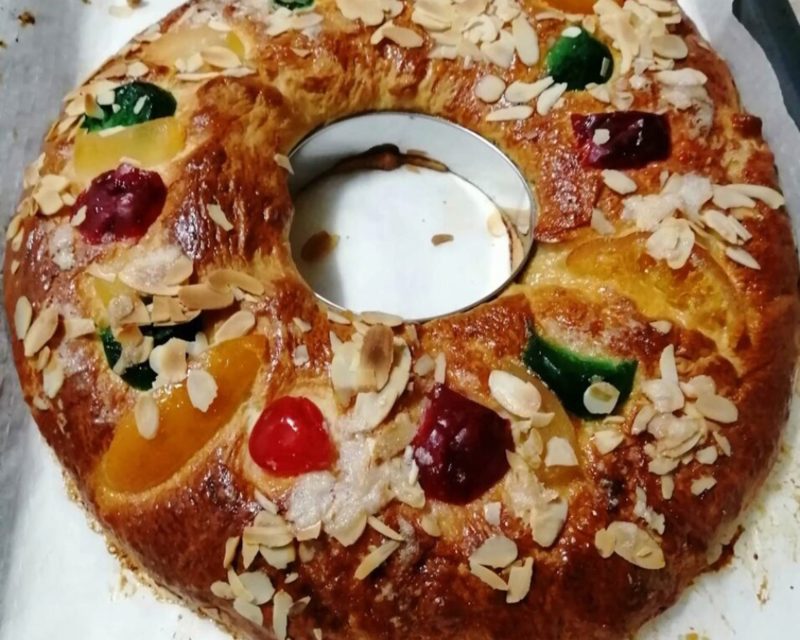
Bean cake was a part of the Twelfth Night celebrations
Even though Christmas Day was a part of the celebration, it wasn’t the only thing to celebrate in the Middle Ages. The Twelfth Night - January 5 - was also a holiday in its own right. This was the end of the merrymaking and mischief that took over the land and actually served as the inspiration behind Shakespeare’s ‘Twelfth Night.’ The centerpiece of it all was a bean cake that was made from a rich fruit cake that had a tiny dried bean hidden inside. It’s said that whoever found the slice with the bean got to be king for the night and could ofer silly penalties that people had to obey.
How did they celebrate Christmas in the Middle Ages? Essentially, it was one big party that saw everyone join in on the fun. That’s right; things were far less regimented when it came to the festive season - and there was more drinking and eating than most people could imagine. Who would have thought?
You May Also Like
 Society
Stories of Choosing a Different Kind of Success
 Careers
The Unexpected Joy of Career Reinvention
 Society
How People Found Community After Moving Abroad