Could These Be The Most Plausible Theories About The Lost City Of Atlantis?

There are mysteries, and then there are the ones that have kept us talking for generations. When it comes to missing cities, Atlantis might be the most famous of them all. For years, stories and tales have spoken about a mysterious city that lies at the bottom of the sea, but what if there is some truth in it all?
It’s a question people have been asking ever since stories about Atlantis emerged from Ancient Egypt, but it seems we are no closer to finding an answer - or are we? Could these be the most plausible theories about the lost city of Atlantis?
Atlantis might have been inspired by the Minoans
Robert Ballard is no stranger to finding things we once thought were gone forever. After all, he was the one to find the Titanic wreckage, and now he has some things to say about the lost city of Atlantis. Apparently, he believes the place that was described by Plato all those years ago was real, and the idea of an entire civilization - and their island - getting wiped out is something that could very possibly happen. That led to the idea that Atlantis was a real place, but it was about the Minoans instead of the Atlanteans. It’s not entirely clear what happened to this incredibly advanced society, but all we do know is that they suddenly vanished. It’s believed a natural disaster, with the leading theory being it was a volcano, wiped out the area, and they had nowhere to escape. This disaster would have happened around 1,300 years before Plato was born, back in 1600 BCE, but it certainly could be the inspiration the philosopher used when he brought Atlantis to life.
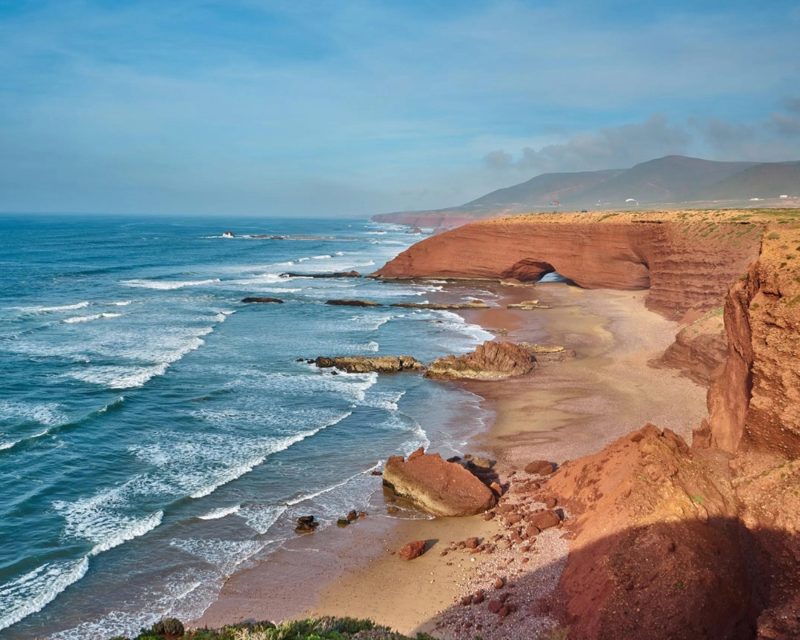
Spartel Island was right where Plato thought it would be
Take away all stories about gods living in Atlantis, and it boils down to a simple story: a tale of an island that was submerged by the sea. Atlantis was supposedly found in the Strait of Gibraltar, somewhere between Morocco and Spain. The twist? In 2001, researchers working at the University of the Mediterranean found there was an island right where Plato said it would be found. Studying the rise and fall of water levels in the area to see how it affected ancient civilizations and their ability to travel uncovered a stretch of land that was once an island. Spartle, as it is now known, is not only in the right spot, but the coral now covering the land indicates it sank around 9,000 years ago - the same time Plato said that Atlantis disappeared. However, the sizes of the islands don’t match up. Still, some believe this was nothing more than a translation error.
Helike met a tragic end just like Atlantis did
Being alive from 27 to 347 BCE means Plato was around during one of the most terrifying natural disasters the ancient world experienced: the fall of Helike, which took place in 373 BCE. It’s said the ancient city was once found on the Peloponnese peninsula and was a thriving city - until it wasn’t. It’s believed an earthquake struck first before a tsunami moved in and finished what had already been started. By the time anyone arrived in the area to help, there wasn’t a single body left. Eventually, time did its thing, and it wasn’t long before all traces of Helike were gone. They say that you should write about what you know. Could Plato have merely been talking about the fall of Helike when he wrote about the lost city of Atlantis?
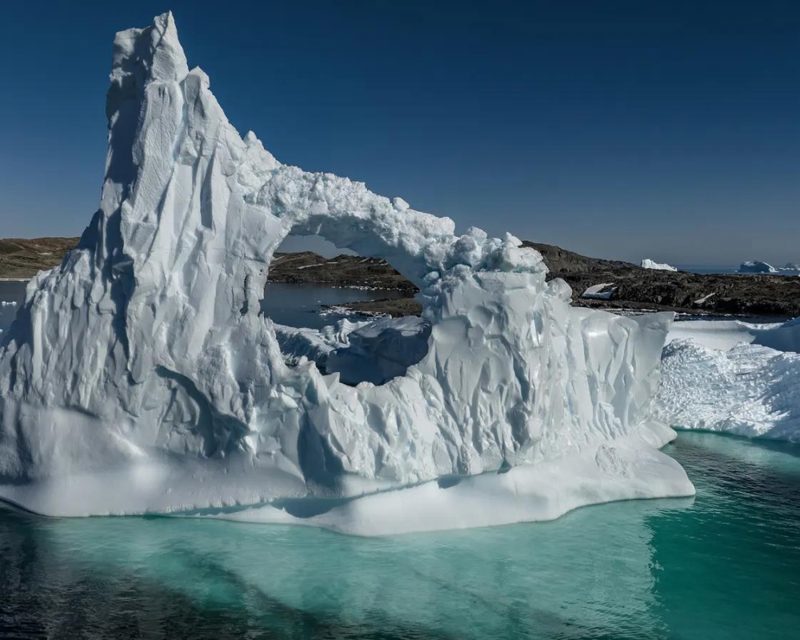
Antarctica could be hiding the truth behind Atlantis
This might take a moment to get your head around, but there is a theory that the lost city of Atlantis is actually covered by ice in Antarctica. Ancient maps led to the 1974 theory that the world once tilted in a different direction, meaning Antarctica wasn’t covered in ice as it is now. However, when the world shifted, the changing temperatures meant everyone living on the continent before were forced to move, and any land left behind was swallowed up by the newly forming ice. In this theory, it says Atlantis was covered in water - it was just frozen. Still, the idea doesn’t hold as much weight as it once did. The ancient map used was later proven to be of Brazil and not Antarctica, meaning they weren’t even looking at the right land mass. That hasn’t stopped some people from wondering if they were onto something.
Could these be the most plausible theories about the lost city of Atlantis? They could be. While some argue that it never existed in the first place, others are sure it did - and it’s just waiting to be found. Of course, there’s also every other chance that it’s merely a story that’s been told so many times throughout the generations that its origins will never be found.
You May Also Like
 Society
Stories of Choosing a Different Kind of Success
 Careers
The Unexpected Joy of Career Reinvention
 Society
How People Found Community After Moving Abroad