Shipwrecks Might Reveal More Than Ever About The Benin Bronzes

Going back over 100 years takes us to February 1897, a time when around 1,200 British soldiers invaded the Kingdom of Benin, a kingdom that once sat in southwestern Nigeria. Here, the Edo people lost their capital as the oba - the king - was exiled and countless civilians lost their lives. Ultimately, the land was turned into a golf course, but that wasn’t all.
The soldiers also looted thousands of treasures, including a selection of plaques and sculptures now known as the Benin Bronzes. They have been praised for their artistry and hailed across the world, with most of the bronze creations - actually made from brass - now dotted across museums around the world. The twist? Shipwrecks might reveal more than ever about the Benin Bronzes.
Researchers are finally learning about the Benin Bronzes’ origins
Like many other historical artifacts, there has been a big push in recent years to return the Benin Bronzes to their rightful home. Amazingly, it’s this push that’s seen researchers learn about the origins of the treasures in the first place. Tobias Skowronek was the one leading the team, learning that a lot of the metal found in shipwrecks might have actually been used as a part of the slave trade. The Benin Bronzes are known for showing all aspects of life at the time, such as religious subjects, animals, and humans, and they are instantly recognized across the world. However, the casts are the things that have gotten so many people talking. They were incredibly intricate, with many unsure how they were even made at the time.
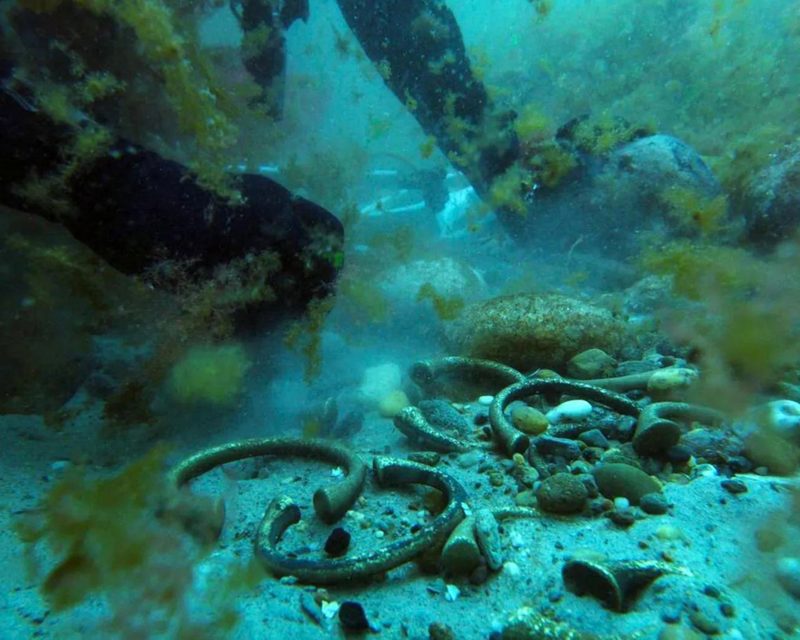
Shipwrecks have offered researchers the chance to learn about the lead used
Tobias Skowronek is one of many who has been studying shipwrecks for years to learn about the slave trade between the 16th and 19th centuries. One of the many things they have found time and time again are manillas, from the Spanish word ‘manilla,’ meaning bracelet, and the Latin word ‘manus,’ meaning hand. They were horseshoe-shaped objects that had little value in Europe but could be used for ivory, gold, and enslaved people across West Africa. While it was a tragic time for so many communities, the shipwrecks have actually meant that several of the metals have remained frozen in time. Sixty-seven manillas were collected from around England, the US, Ghana, and Spain, making it the largest study on the artifacts to date. The aim was to take samples of the lead in the manillas, with Showronek stating that even if the metal has been underwater for generations, the isotopes in the lead don’t change, meaning they can trace their origins.
Samples of lead revealed the metal might have come from Germany
Researchers drilled into the manillas to take some lead powder that could be analyzed in their aptly named machine, Neptune. This spent 15 hours analyzing the isotopes in the metal to detect where it was mined all those years ago. Metal in some of the manillas was traced back to Wales and England, but this wasn’t the metal used to make the Benin Bronzes. Instead, it was mined in western Germany. The Rhineland region has been used for metal mining since Ancient Roman times, but there has never been a mention of it in any of the history books. The question still remained: how did the metal get from Germany to West Africa?
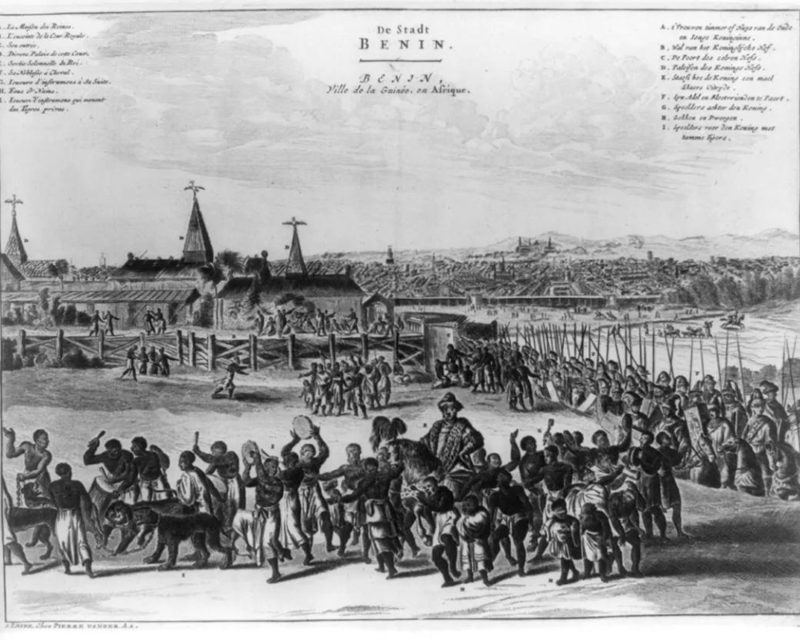
Records filled in the missing links between Germany and the Benin Bronzes
It turns out the lead in the manillas matched the isotopes found in the Benin Bronzes, but it wasn’t until Tobias Skowronek and his team looked into records that they finally found the missing link. It turns out Portugal was to blame, with a king from 1548 ordering 432 tons of manillas - enough to make around 1.4 million bracelets - over the course of three years. These were then transported across the world before they could be used as trade items in West Africa. The connection between Portugal and the Kingdom of Benin is nothing new, with the pair first trading in the 15th century. Apparently, records show that as few as eight of ten manillas would be enough to get one slave. It wasn’t until they had enough manillas that craftspeople in Benin began to use the new metal to enhance their artwork, leading to the creation of the Benin Bronzes.
Researchers never believed that shipwrecks might reveal more than ever about the Benin Bronzes, but we finally have an answer as to how they got their hands on so much brass - and where it came from all those years ago. While it doesn’t change what happened, knowing about the trades of the past really does help to keep history alive.
You May Also Like
 Society
Stories of Choosing a Different Kind of Success
 Careers
The Unexpected Joy of Career Reinvention
 Society
How People Found Community After Moving Abroad