The Strange Psychology Behind Common Superstitions

Some people believe in other forces. Others? They aren't so convinced. Whatever the case, it can often be surprising how many people believe in superstitions and live their lives trying to ward away bad luck and avoid ominous omens. Things like avoiding black cats and breaking mirrors have been a part of our lives for generations, but where did they all come from?
The strange psychology behind common superstitions proves they might not have copped up out of nowhere. Instead, something in our minds makes us believe something is lucky, doing something will bring bad luck, or that a sign could be a hint of something to come - so what gives?
Jane L. Risen offers two systems that work in someone's mind
Associate Professor Jane L. Risen is one of the many who wants to know why some people believe in superstitions and others don't, and she has offered two systems that might be going on in our brains. According to Jane, System 1 is the one that "quickly and easily generates magical intuition," which serves as "judgment and behavior" during certain situations. Then there is System 2. Jane says this is the thing that might or might not try to correct System 1's initial thoughts. If the second system fails to engage, Jane theorizes that our minds will simply believe something magical is going on.
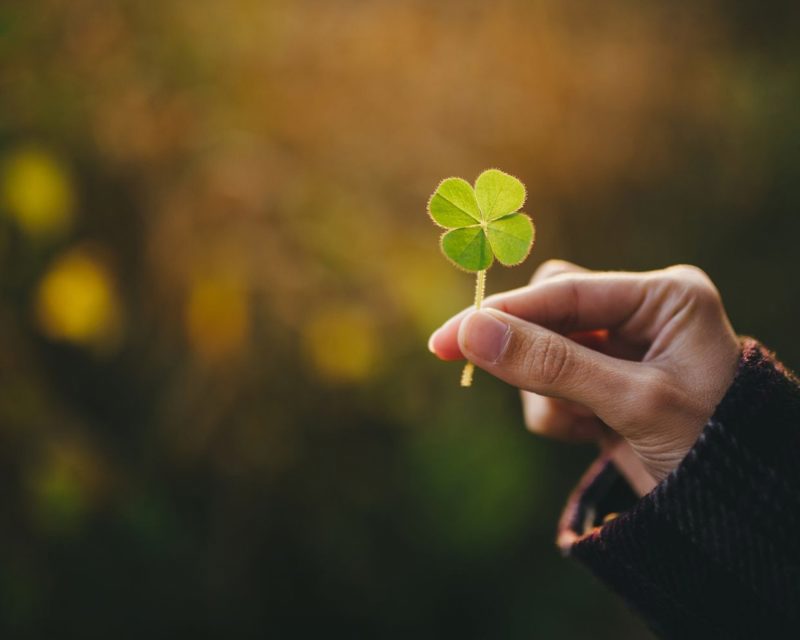
Someone's cognitive skills could affect their belief in superstitions
Why do some people believe in superstitions and others don't? According to Jane L. Risen, it's all down to someone's cognitive skills. If they don't let their System 2 take over or it fails to engage, there is a chance they will believe something magical is going on, whether it's good or bad luck. On the other hand, if System 2 does take over, Jane theorizes they will put the thoughts down as nothing more than an error. This can even extend to when things don't work out the way someone thinks they should. If they're not wearing their lucky jersey when their team wins the game, does that mean the jersey doesn't work, or do they wear it next time anyway because they think it helps their team's chance?
The placebo effect and emotional benefit might change our behavior
Plenty of people have heard about the placebo effect, aka the moments our brains think we're getting benefits from something even though there's nothing having an impact around. The same could be said for superstitions, but that's not all. Believing in something enough could also offer someone an emotional benefit, helping us to feel more talented, better, braver, and more confident with whatever we're doing. The psychological benefit might sometimes be all in our heads, but studies are starting to prove that it could actually improve our skills in the long run.

Even Michael Jordan believes in superstitions
While plenty push aside the thought of superstitions, others have embraced them with open arms. It turns out basketball legend Michael Jordan is no exception. The star has been open about how many shots he has missed in his career and the failures he's endured, but he has never let that hold him back. Plus, Michael has admitted to wearing his lucky shorts to every Bulls game. Did the basketball star declare they were nothing when he lost a game? No. Instead, the shorts seemingly inspired Jordan to pull off some unthinkable moves and motivated him to be the best of the best on the court.
The strange psychology behind common superstitions goes to show there's a lot more to luck and bad luck than meets the eye. While some people are firm believers in something else guiding us through life, it turns out there could be more proof that they work after all. It appears we just have to let them.
You May Also Like
 Society
Stories of Choosing a Different Kind of Success
 Careers
The Unexpected Joy of Career Reinvention
 Society
How People Found Community After Moving Abroad