Why Don't We Talk About The Nubian Pyramids?

When we think of pyramids, there’s a good chance that those from Ancient Egypt come to mind. After all, they’re the most famous pyramids in the world and are still standing strong today. However, they are far from the only ones on the planet, so why don’t we talk about the Nubian pyramids?
Believe it or not, but there are more Nubian pyramids left from the ancient Kingdom of Kush in Sudan than pyramids found across Egypt. Still, they are far from the biggest tourist draw. What gives? They’ve been standing for hundreds of years and hold a host of history behind them; we just need to look closer to learn all about them.
There are over 250 Nubian pyramids
While they might be nowhere near as famous, there are a staggering number of Nubian pyramids. More than 250, to be precise. They were built across Nubia, an area that once spread between Sudan and Egypt, with the Black Pharaohs of Kush being the ones behind the incredible tombs. They were first started in 700 BCE and were built all the way through to 300 CE, with many being found in remote parts of the Sudanese desert. Being so far away from many tourist locations is one of the many reasons the Nubian pyramids aren’t as famous as Ancient Egyptian pyramids, but they are still filled with plenty of history.
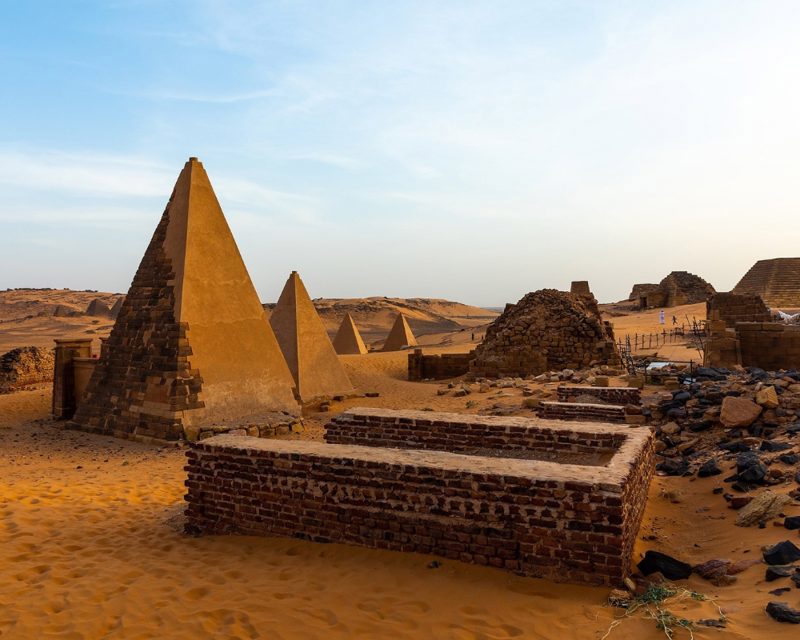
Egyptian influences led to the creation of the Nubian pyramids
It turns out there’s a reason the Nubian pyramids exist, and it’s all thanks to the major Egyptian influences across the area. The fall of the Egyptian dynasty saw the Kingdom of Kush take over, and they carried on what the fallen empire had left behind. The first was built around 700 BCE and was a tomb for Kashata, with the spread of power and strength from the Kingdom of Kush meaning it wasn’t long before they spread across their new lands. This went all the way through to 330 CE when they were invaded by the Kingdom of Aksum, and their reign came to an end.
Research into the Nubian pyramids didn’t begin until the 1800s
For hundreds of years, no one outside of the area even knew that the Nubian pyramids existed. Graverobbers were the only ones who knew about the hidden pyramids, and they did what they could to get their hands on the jewels and valuables inside, often making off with the royal remains, too. By the 1830s, Italian explorer Giuseppe Ferlini was on the case. Sadly, he merely smashed the tops off of 40 Nubian pyramids in the hopes of finding hidden treasures inside. By the time the rest of the world learned about their existence, barely anything was left.
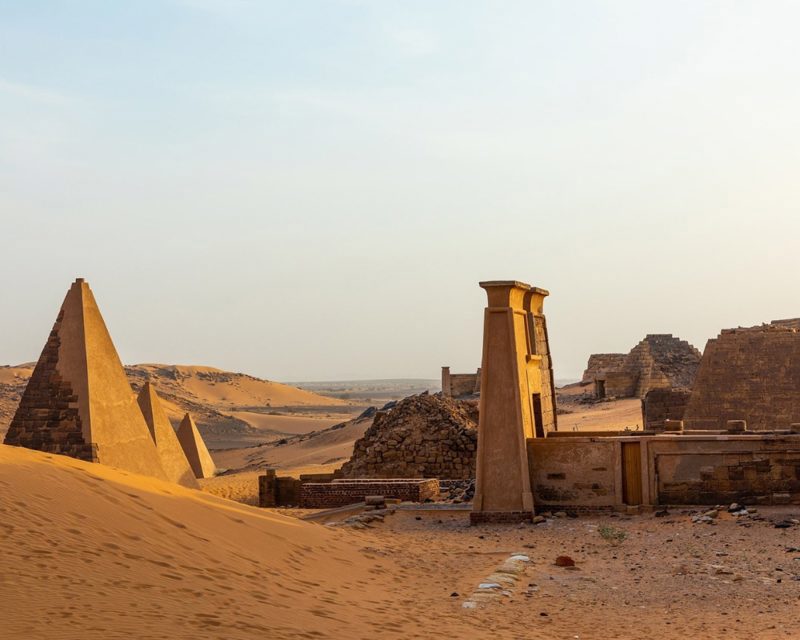
Nubian pyramids are very different from Egyptian pyramids
Although they were influenced by the Ancient Egyptian pyramids, there are some big differences between Egyptian and Nubian pyramids. For one, Egyptian pyramids are much taller, with the Great Pyramid of Giza reaching towering heights of 450 feet tall alone. Nubian pyramids? They range from 20 to 100 feet tall. Another major difference is where the occupants were kept. Egyptian pyramids feature chambers and tunnels that lead to the sarcophagi, where they were kept as the souls entered the afterlife. In Nubian pyramids, they were buried underneath. Instead, the entrances were found hidden outside of the pyramids and featured steep stairs leading underground. The Nubian pyramids themselves were actually just filled with rubble and dirt.
Nubian pyramids were also filled with several relics
It turns out some relics have remained in place all these hundreds of years later, but much of the history surrounding the Nubian pyramids is gone. Archaeologists have found evidence of pottery and horse harnesses, as well as goods from as far as China, India, and Rome, showing just how much global trade was booming at the time. As if that wasn’t enough, there is even evidence of canopic jars, suggesting that the Kingdom of Kush might have used mummifying techniques similar to the Ancient Egyptians.
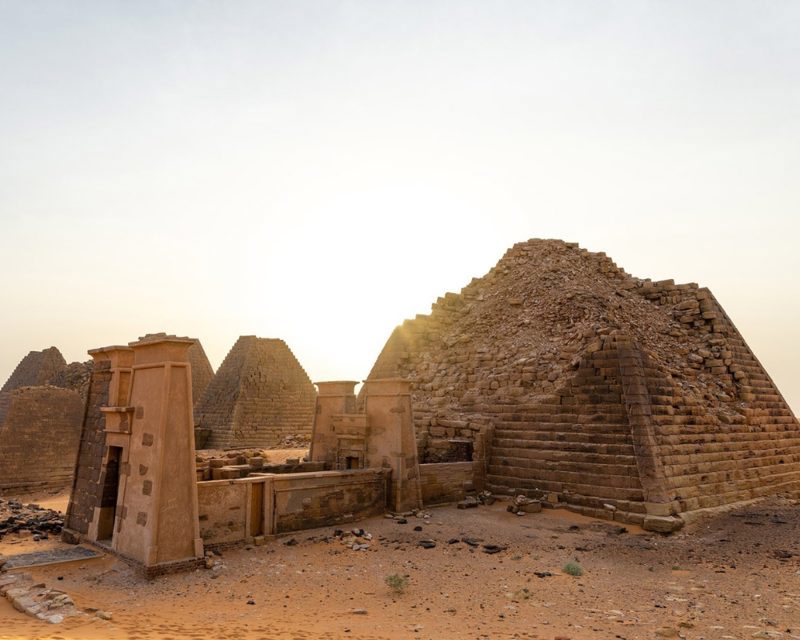
The pyramids face several modern-day issues
The Nubian pyramids are just as impressive as the Ancient Egyptian pyramids, but they face a lot of issues. Frequent sandstorms triggered by global warming threaten their structure, with many worrying the shifting sands could damage them beyond repair. Plus, the worry of floods in the area that comes with heavy rains could be enough to wash them away in a moment. The lack of tourism - driven by their remote locations and conflicts in the area - means the Nubian pyramids don’t make anywhere near the income of Ancient Egyptian pyramids. This, in turn, means they don’t have the funding to preserve the grand structures. While some of the smaller pyramids have been restored, many are starting to crumble. Thankfully, several locals have vowed to protect the Nubian pyramids at all costs.
Why don’t we talk about the Nubian pyramids? Simply put, it’s because we don’t know as much about them as some of the other, more famous pyramids in the world. Perhaps it’s time to change that once and for all?
You May Also Like
 Society
Stories of Choosing a Different Kind of Success
 Careers
The Unexpected Joy of Career Reinvention
 Society
How People Found Community After Moving Abroad