It Turns Out We All Use Math To Figure Out Friendships

Have you ever wondered how we make friends? Sure, it might seem like it’s all about finding someone we click with and who has a few common interests, but there might be more to it than that. What if it was all down to our brains doing some quick calculations to figure out if strangers are people we want in our lives or not?
It turns out we all use math to figure out our friendships, even if we have no idea what our brains are doing. It might not be as simple as adding two and two, but these kinds of calculations can make the difference between whether we’re willing to give someone a chance or not.
Many have long believed friendships are down to chemistry
How do you form a connection with someone? For years, many have thought it’s all about the natural spark that often happens between people when they first meet - or doesn’t. It can also be about the vibe we get from someone when we first lock eyes or shake hands, but it might not be all our brains are assessing when we meet a stranger. Scientists already know that people evaluate their similarities with others to see if they will be friends, but it wasn’t until a recent test that researchers proved math plays a huge part in it all, too.

Using math to figure out friendships is part of survival
It can seem cold to think of our friendships coming down to nothing more than math, but it’s something that we do all the time without realizing it. In fact, it actually starts when we’re children, and it’s part of learning how to survive. Nowadays, it’s mainly down to when a new student joins our class or a new coworker walks into the office for the first time. If we get along, it means strengthening our social circle and having someone new to turn to in times of need. If we don’t, it means we can keep our distance from someone who might not want the best for us.
A study used hundreds of participants and graphs
To find out how humans figure out friendships, researchers working with the Journal of Experimental Psychology gathered 135 children and 528 adults to study how they view relationships. They were shown various graphs that mapped out social networks, each containing two “main characters” who were connected to multiple friends through a map of branches. Still, there was no link between the two main people, with the participants asked to figure out what they thought of the social circles.
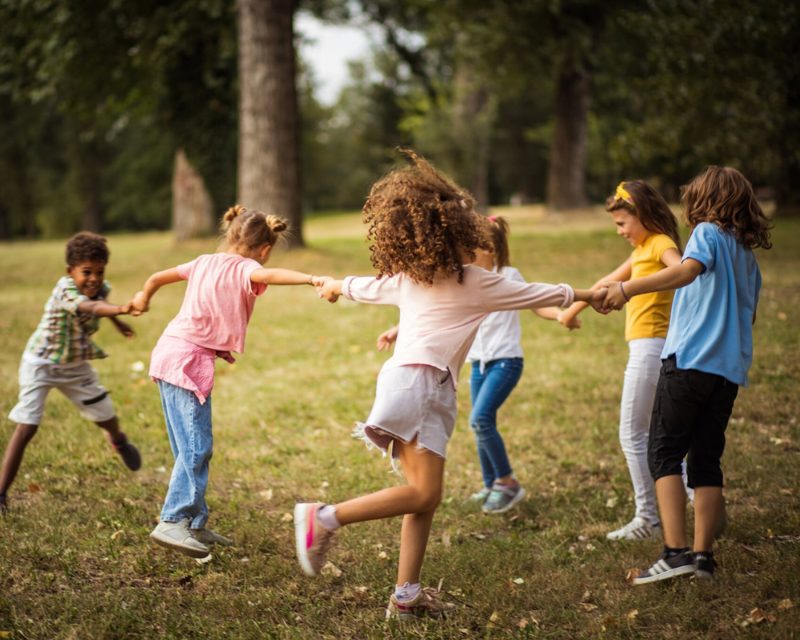
It proved even young children use math to figure out friendships
It didn’t take long for most of the participants to conclude the two “main characters” were friends, even though there were no links between the two. Why? The participants apparently believed there was a lot of overlap in their social circles, so they must have been close, but the insights didn’t stop there. Several involved in the study also spoke about the strength of people’s individual relationships by looking at how many connections there were between someone at the “main character” as well as the size of the social circle. The most impressive part? Even children as young as five years old were able to make these kinds of conclusions.
It turns out we all use math to figure out friendships, but it might not be as cold as it seems on the surface. In fact, by using calculations, we could be ensuring we have only the safest people to have in our lives around us at any one time.
You May Also Like
 Society
Stories of Choosing a Different Kind of Success
 Careers
The Unexpected Joy of Career Reinvention
 Society
How People Found Community After Moving Abroad