The Mystery Behind The Titanic's Six Chinese Passengers

The maiden voyage of the RMS Titanic is one of the best known in history. Unfortunately, that’s not for the best reasons. Of the 2,200 plus people on the ship when it sank in 1912, more than 1,500 lost their lives. It was devastating, but at least there were survivors. Some of their stories are well-known, having been shared following their return to civilization.
However, the same can’t be said for the six Chinese passengers who were also there that day. Their experiences are often overlooked, meaning that many people forget they were even aboard the ship. We’re here to unearth the mystery behind the Titanic’s six Chinese passengers and why their stories are so easily forgotten.
The Chinese passengers boarded the Titanic after losing their jobs to the 1912 coal strike
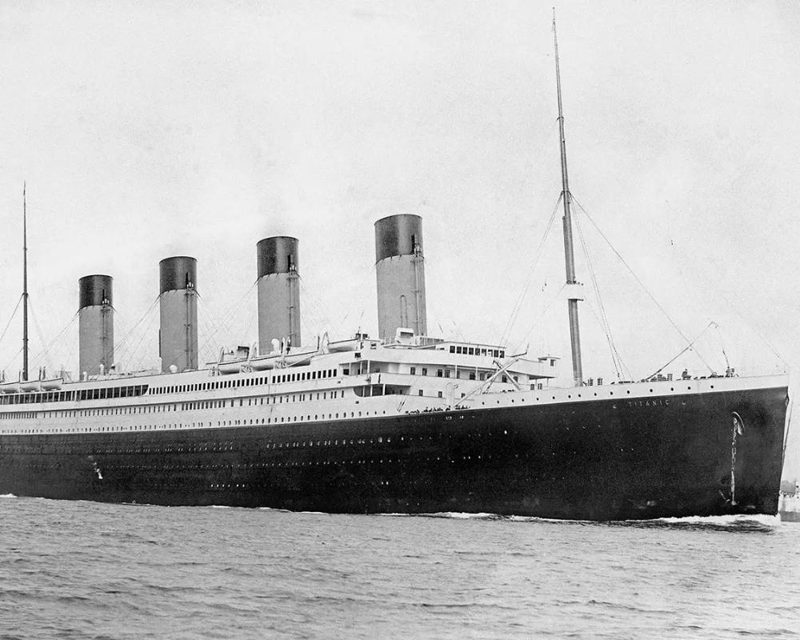
The sinking of the Titanic wasn’t the only thing that happened in 1912. Earlier that year, the first-ever national strike by coal miners happened in the UK. The purpose of this was to ensure workers received a minimum wage, which they achieved after a little more than a month. Unfortunately, the strike had the side effect of leaving eight Chinese sailors out of work. As a result, they were assigned to a freighter docked in New York, which is where the Titanic was heading. So, the eight men boarded the ship and headed for the Big Apple, unaware of the dangers that lay ahead.
Two of the men drowned when the ship sank, while the others made it to the lifeboats
Due to the marginalization of Asian communities in Europe and North America in 1912, the men’s trip on the Titanic likely wasn’t a pleasant one. Socializing outside of their group probably would have been difficult, although that wasn’t the worst thing to happen that day. When the ship hit the iceberg, two of the passengers allegedly drowned with many of the others on board. The others made it to the lifeboats, although one initially wasn’t so lucky. It was only when a lifeboat turned around to look for survivors that they reportedly noticed him floating on a piece of debris.
All of the survivors were welcomed into the US, except for the Chinese passengers

Ah Lam, Chang Chip, Cheong Foo, Fang Lang, Lee Bing, and Ling Hee - the Titanic’s six Chinese passengers - had been through quite an ordeal with the sinking of the ship. However, they’d survived. Unfortunately, this wasn’t the end of their nightmare journey. Upon reaching the United States, they were immediately sent to the freighter that they’d been traveling to NYC for in the first place. While everyone else was welcomed into the US and given immediate medical assistance, they were shunned because of the Chinese Exclusion Act. This wouldn’t be repealed for several more decades.
People made false claims about what the passengers did to survive the sinking ship
It’s bad enough that the Chinese passengers weren’t given the same treatment as all the other survivors. However, they also had to contend with people spreading rumors about them that claimed they survived because of dirty tactics. Some stories insinuated that they’d dressed up as women to bag a place on the lifeboats. Others said they were stowaways and that they’d hidden underneath the lifeboats. There were even accusations that they’d thrown others aside to get aboard the boats to safety. However, none of these claims have ever been proven.
The men built lives after the incident but still faced struggles wherever they went
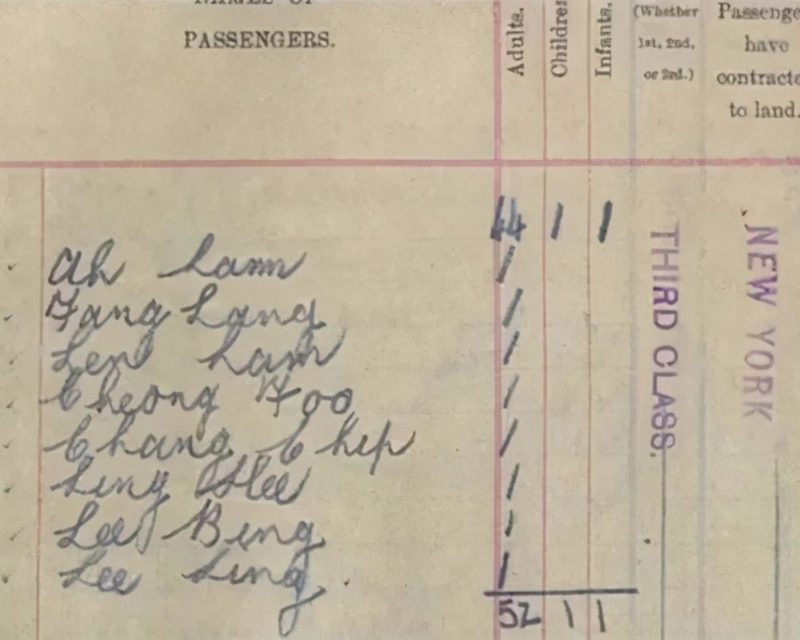
After being denied entry to the United States, the six passengers did what they’d initially set out to do: board the freighter in NYC to work in the Caribbean. Their lives from that point onward aren’t highly documented. However, the odd detail is known. For instance, Lee Bing later moved to Canada, while Ah Lam returned to Hong Kong. Some of the men got married to women in the UK but were then forced to leave their families behind due to anti-immigration policies. As for Chang Chip, he didn’t live long after the Titanic sank because he passed away from pneumonia in 1914. He still resides in an unmarked grave somewhere in London.
Given the prejudice these men faced, it’s perhaps no wonder their stories aren’t as widely documented as some of the other survivors. Still, it’s important that the world knows what the Titanic’s six Chinese passengers went through back then. Otherwise, we face the risk of history repeating itself.
You May Also Like
 Society
Stories of Choosing a Different Kind of Success
 Careers
The Unexpected Joy of Career Reinvention
 Society
How People Found Community After Moving Abroad